


Frost Heave and Deck Foundations: How Floating Deck Foundations Prevent Ground Movement
Quick Answer for Builders: Preventing Frost Heave in Deck Foundations
Frost heave is one of the most common causes of deck movement and structural issues in cold climates. When moisture in the soil freezes, it expands - pushing foundations upward and causing decks to shift, lift, or become uneven over time.
Another approach is using a floating deck foundation system, which allows structures to move naturally with seasonal ground changes. Systems such as TuffBlock deck foundation blocks are designed around this concept and can provide a practical solution for many ground-level deck projects in freeze–thaw climates.

Building a deck in a cold climate requires careful consideration of how seasonal ground movement affects your foundation. In many northern US states, repeated freeze–thaw cycles can cause soil to expand and contract throughout the winter.
Understanding how frost lines, soil conditions, and foundation types interact is essential for building a deck that performs reliably over time.
In this guide, we’ll explain how frost heave works, why traditional deck footings are often installed below the frost line, and how floating deck foundation systems can help manage seasonal ground movement.
Jump to what you need:
In this guide:
- What frost heave is and why it matters
- When footings need to go below the frost line
- Alternatives to traditional concrete foundations
- When floating foundations are the right choice
What Is the Frost Line?

The frost line (or frost depth) is the maximum depth the ground freezes during winter in a given region. In colder northern states, frost depth can reach 30–60 inches or more, while in warmer regions it may be minimal.
Many building codes require footings to extend below this depth to prevent movement caused by freezing soil.
What Is Frost Heave?
As temperatures drop, moisture in the soil freezes and expands, creating upward pressure that can lift foundations.When the ground thaws, it settles again - often unevenly.
Soil Types That Are Most Affected by Frost Heave
Not all soils respond the same way to freezing temperatures. Frost heave is most likely to occur in soils that retain moisture and allow ice to form within the ground.
Soils most susceptible to frost heave include:
- Clay soils – hold large amounts of moisture and expand significantly when frozen
- Silt soils – fine particles allow water to move upward and freeze within the soil structure
- Poorly drained soils – trapped moisture increases the likelihood of freezing expansion
Why Frost Heave Matters for Deck Foundations
Decks are especially sensitive to foundation movement because:
- They often rely on multiple independent support points
- Uneven settlement can create racking or twisting
- Attached decks can transfer stress back to the main structure
- Elevated decks may carry significant loads.
Do Deck Footings Always Need to Be Below the Frost Line?
In many building codes, traditional concrete footings must extend below the frost line to prevent frost heave.
However, some deck designs - particularly floating or ground-level decks - may use a floating deck foundation method designed to accommodate ground movement instead.
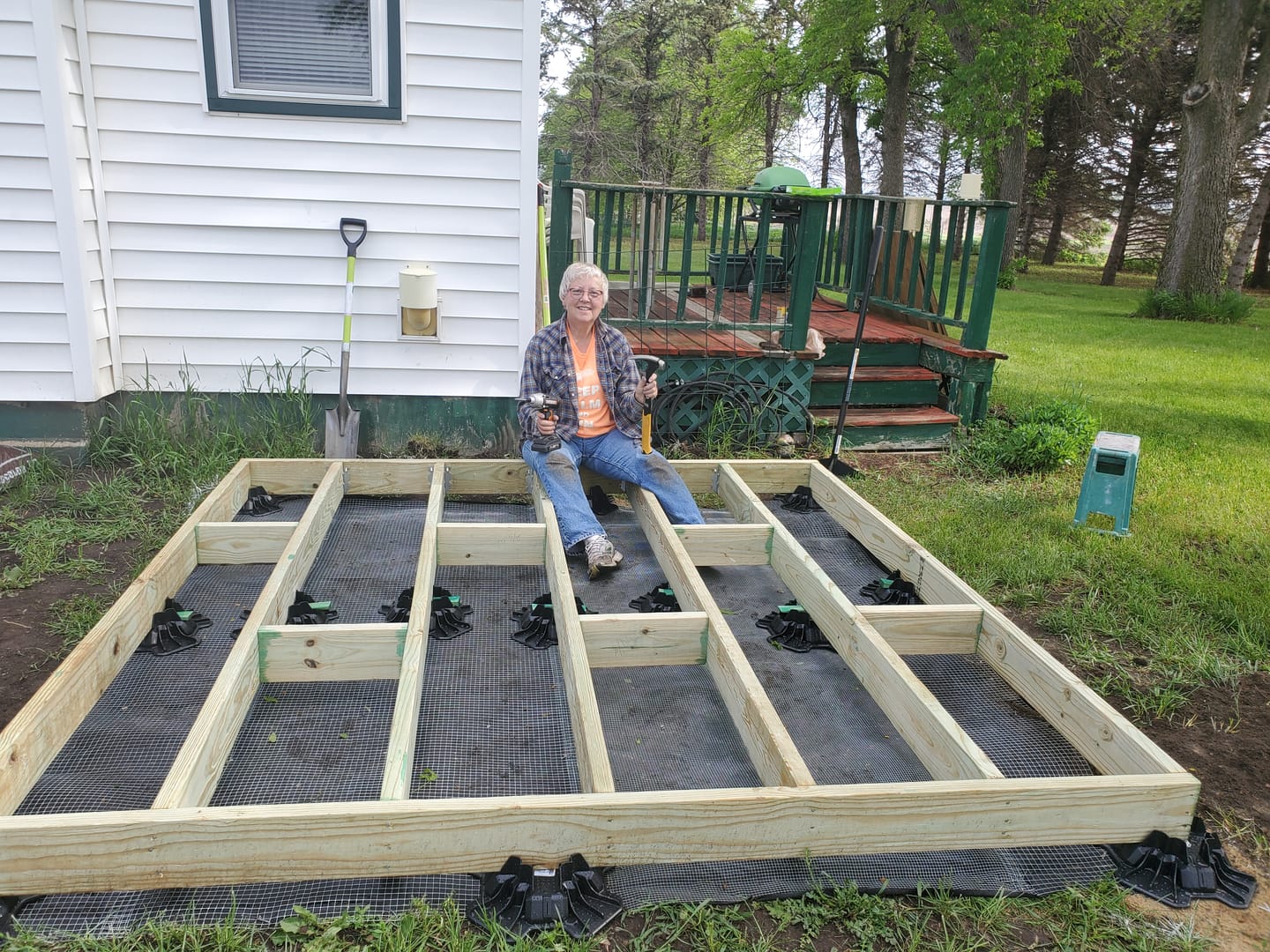
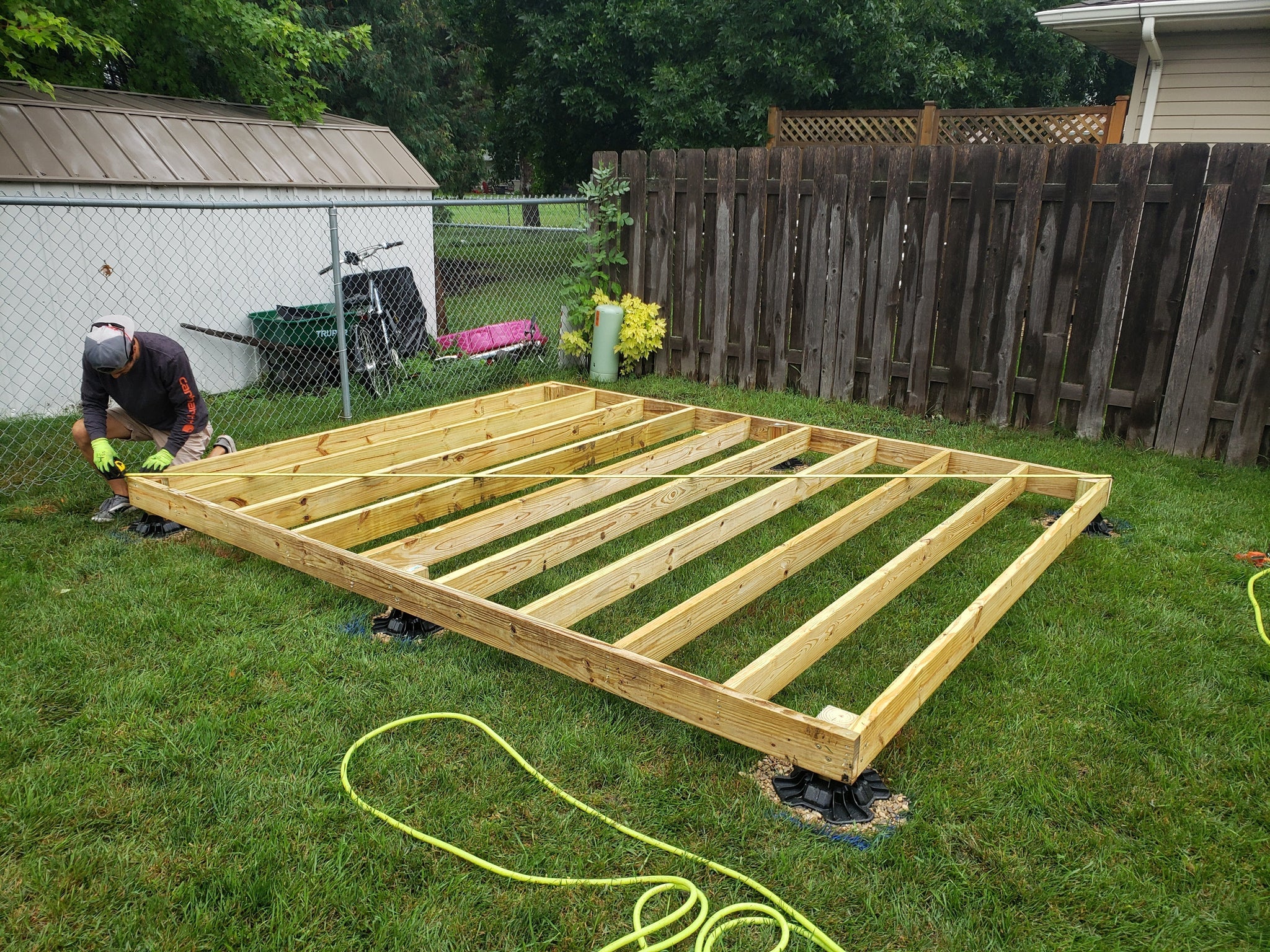
Floating foundation systems using products like TuffBlock allow the deck structure to sit on a prepared base and adapt to seasonal ground expansion and contraction.
Important Code Considerations in Cold Climates
Frost depth and deck building regulations vary by state, county, and municipality.
In many northern US jurisdictions:
- Footings for attached or elevated decks must extend below the frost line
- Permit approval may require inspection of footing depth
- Soil type and load calculations may influence requirements
Always consult your local building department before beginning construction to confirm compliance with frost depth and foundation regulations.
Rigid Concrete Footings vs Floating Deck Foundations
Traditional concrete footings are commonly used for decks and, in many jurisdictions, are required to extend below the frost line. However, concrete is a rigid material. If surrounding soil shifts unevenly due to frost heave, that movement can create stress points in the foundation.
In addition, for many builders and DIYers, installing deep concrete footings adds significant time, cost, and complexity to what should be a straightforward project.
Delays due to weather, inspection scheduling, and curing time can slow projects down by days or even weeks. In contrast, floating foundation systems can often be installed and ready for framing in a fraction of the time.
Builders must typically dig below the frost line, set forms, pour concrete, and wait for proper curing before construction can continue.
During colder months, this process can become even more challenging. Installing deep concrete footings during winter may involve:
- Digging frozen or partially frozen ground
- Using powered augers or excavation equipment
- Managing moisture in cold conditions
- Waiting longer for concrete to cure in low temperatures
- Scheduling inspections before construction can proceed
These factors can increase both project time and installation costs, making foundation planning especially important in cold climates.

How Builders Typically Handle Frost Heave
Builders working in cold climates typically manage frost heave in one of two ways:
- Deep concrete footings below the frost line: This traditional method anchors the structure below the depth where soil freezes.
- Floating deck foundations: For many ground-level decks, builders use floating foundation systems that help reduce stress from seasonal soil expansion and contraction.
For many ground-level decks, builders choose floating foundation systems because they can reduce excavation, installation time, costs and weather-related delays.
The Concept of Floating Foundations
In cold climates, the ground naturally expands and contracts during freeze–thaw cycles. Traditional rigid foundations attempt to resist this movement, which can create stress on the structure when soil shifts unevenly.
Floating foundations take a different approach. Instead of anchoring the structure deep into the ground, they allow the foundation to sit on the surface and adapt to ground movement rather than resisting it.
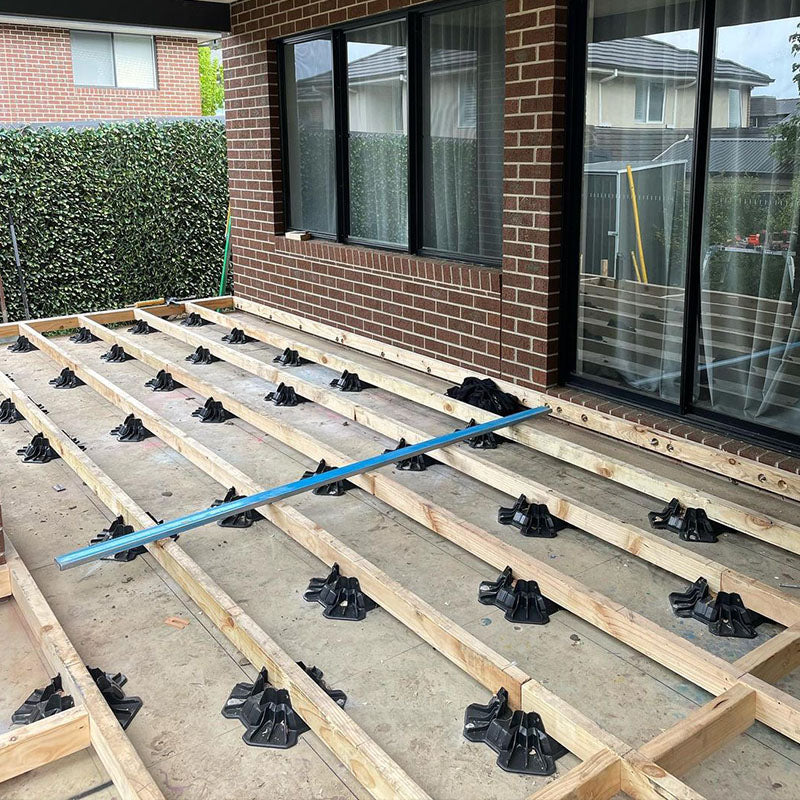
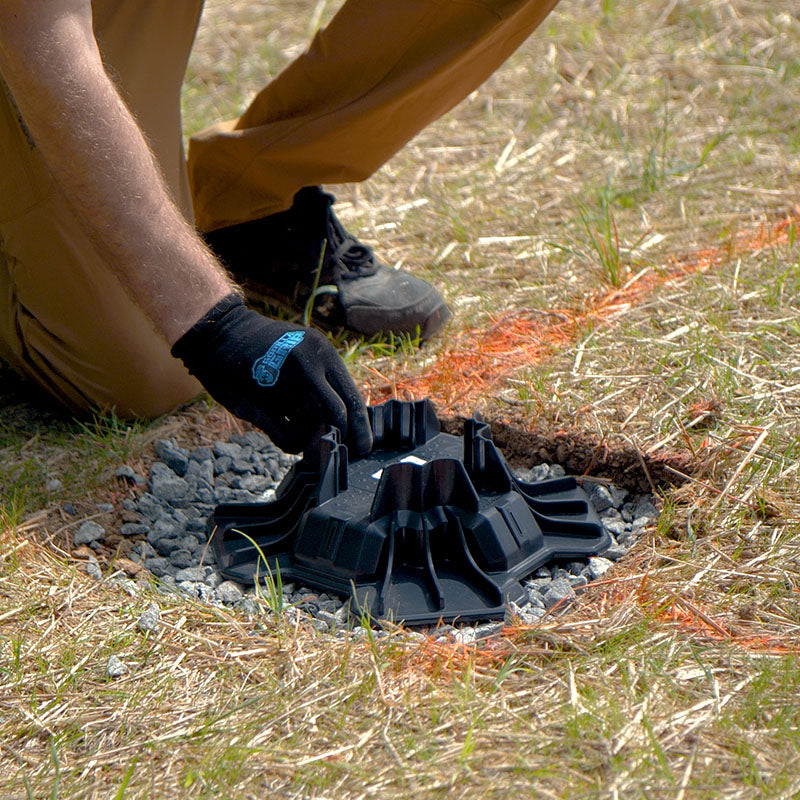
This is typically achieved by distributing the load across multiple surface-level support points placed on a compacted gravel base. The gravel layer improves drainage and reduces the amount of water retained in the soil - helping limit frost expansion beneath the foundation.
When a Floating Foundation Is the Right Choice
Floating deck foundations are typically best suited for:
- Ground-level decks
- Freestanding structures
- Projects where digging below the frost line is impractical
- DIY builds or projects with limited equipment
- Areas with moderate frost movement
For elevated or attached structures, local code requirements may still require traditional footings.
Why TuffBlock Works Well for Deck Foundations in Frost-Prone Areas
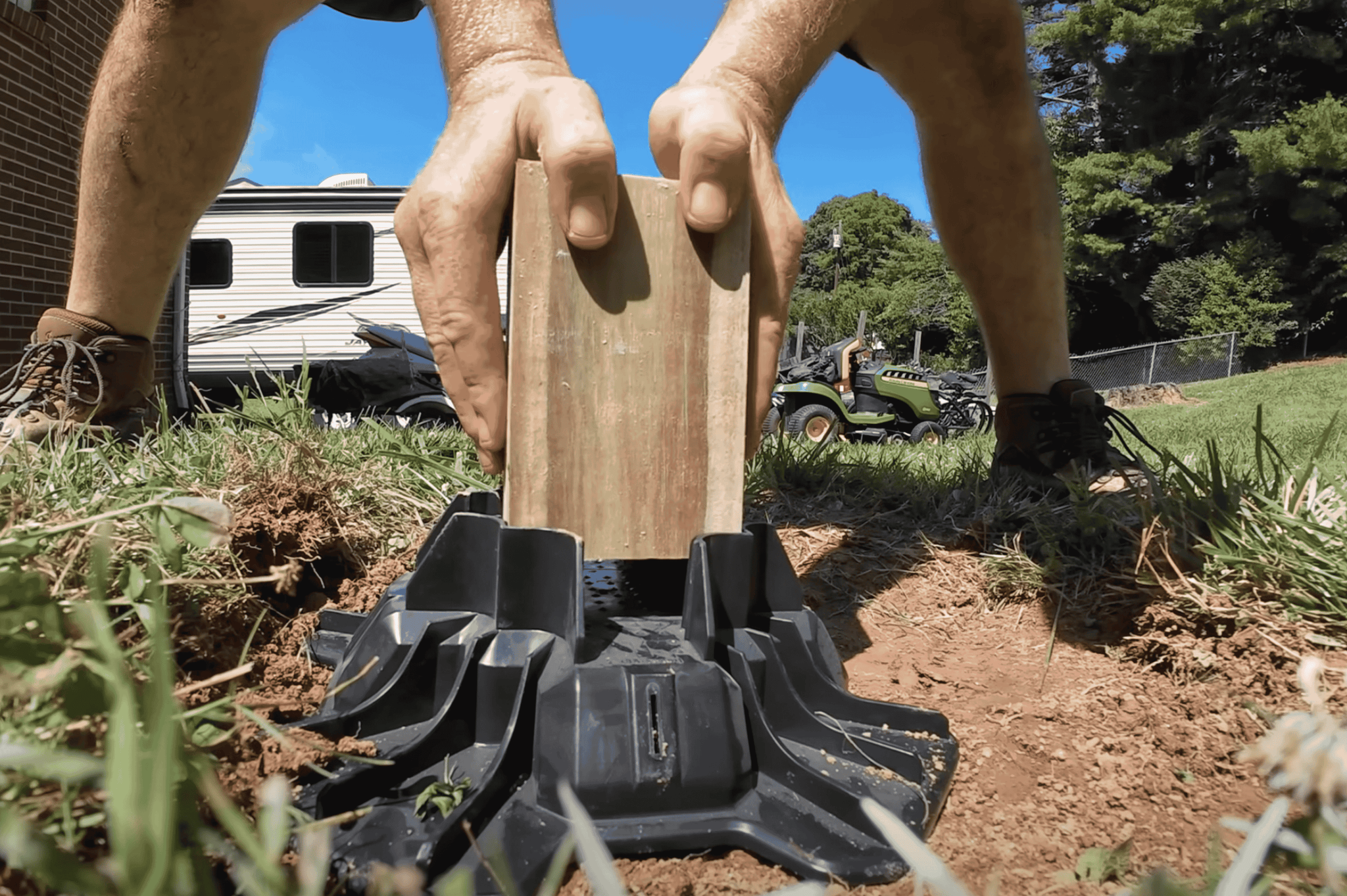
TuffBlock takes the floating foundation concept and makes it faster, simpler, and more consistent to install.
Instead of digging and pouring concrete, builders can place blocks directly onto a prepared base and begin framing immediately. This reduces installation time, removes the need for specialised equipment, and minimises the impact of cold weather on the build schedule.
Builders often choose floating-style foundations using TuffBlocks because they:
- Reduce excavation compared with traditional deep footings
- Reduce structural stress caused by ground expansion and contraction
- Improve drainage beneath the deck foundation
- Simplify installation for many ground-level deck foundation projects
Floating foundations using systems like TuffBlock can reduce excavation, eliminate concrete work, and allow deck framing to begin immediately once the base is properly prepared. This makes them especially well suited for builders working in cold climates where traditional footing methods can slow projects down or cost more money.
Practical Tips for Building a Deck in Cold Regions
If you’re planning a deck in a freeze–thaw climate, consider the following:
- Confirm local frost depth requirements
- Improve drainage to minimize water accumulation around supports
- Avoid trapping moisture near foundation points
- Use properly compacted base materials
- Consider soil type when planning foundation placement
- Plan construction timing around extreme temperature conditions where possible
Understanding how seasonal ground movement works will help you make informed decisions that support long-term structural performance.
A Smarter Foundation for Freeze–Thaw Conditions
Freeze–thaw cycles are one of the most important considerations when building decks in cold climates.
Understanding how frost heave works helps builders and DIYers choose foundation systems that perform reliably over time.
For many ground-level decks, floating foundations provide a more adaptable approach to handling seasonal ground pressure.
Systems such as TuffBlock are designed around this concept, allowing foundations to adapt to natural ground changes rather than resist them.
Before starting your project, always confirm local building requirements and choose a foundation method suited to your region’s frost conditions.


Build smarter in any season.
No digging. No concrete. No delays from frost or curing time.
Just a faster, more predictable foundation system built for real-world conditions.
⭐️⭐️⭐️⭐️⭐️ Based on 500+ reviews
ICC Certified
150K+ Real Builds
Rated 4.9/5 stars
25 year warranty
made in USA
Read more...
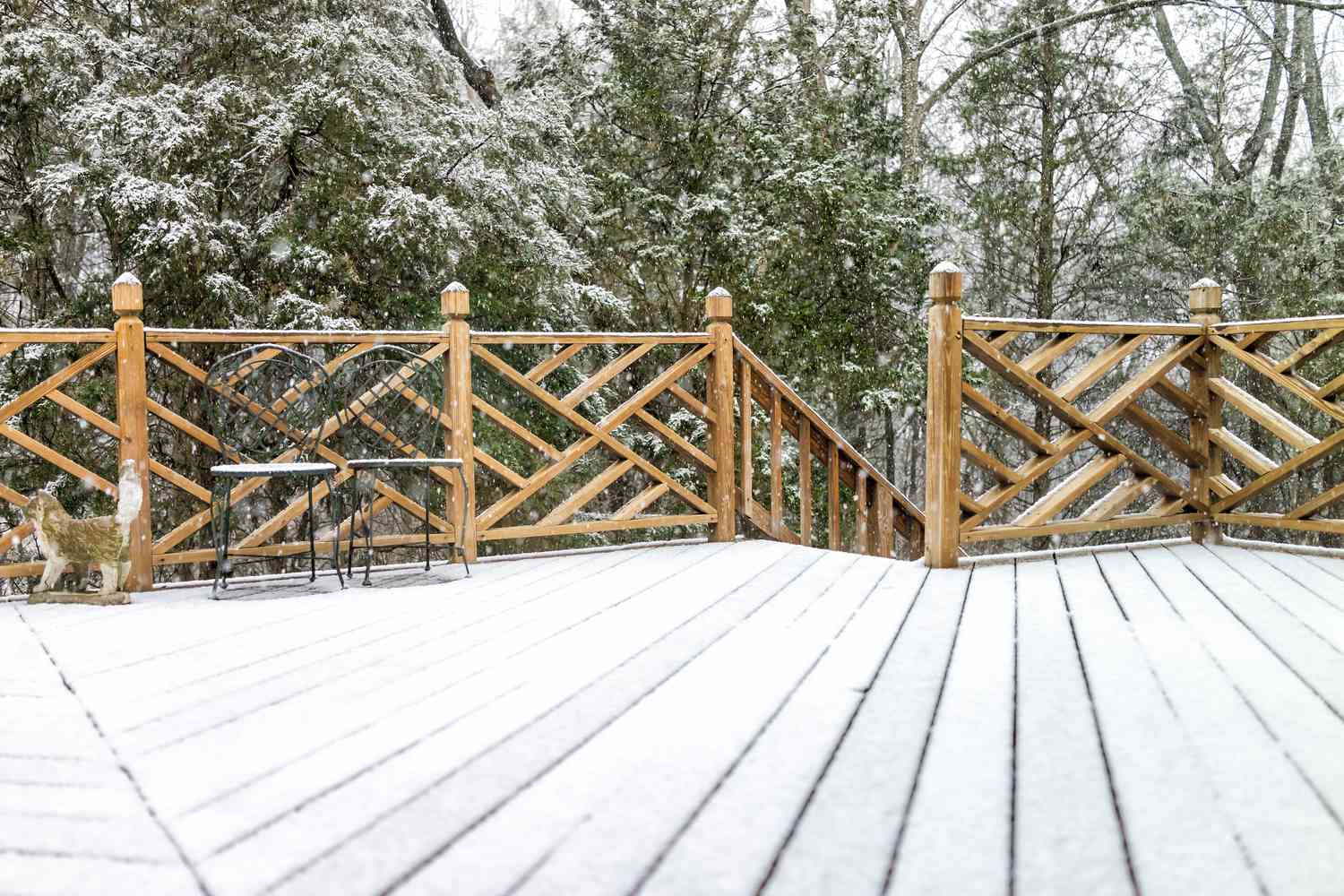
Understanding Frost Heave and Ground Movement When Building a Deck in Cold Climates
Learn how frost heave affects deck foundations and how floating systems like TuffBlock help manage ground movement in freeze–thaw conditions.
Deck Piers (Deck Blocks) or Footings? The Ultimate Guide to Building a Solid Deck Foundation
Explore the key differences between deck piers (concrete deck blocks & TuffBlock) and footings for your deck foundation. Understand when to use a pier block versus a concrete footing.